Introduction
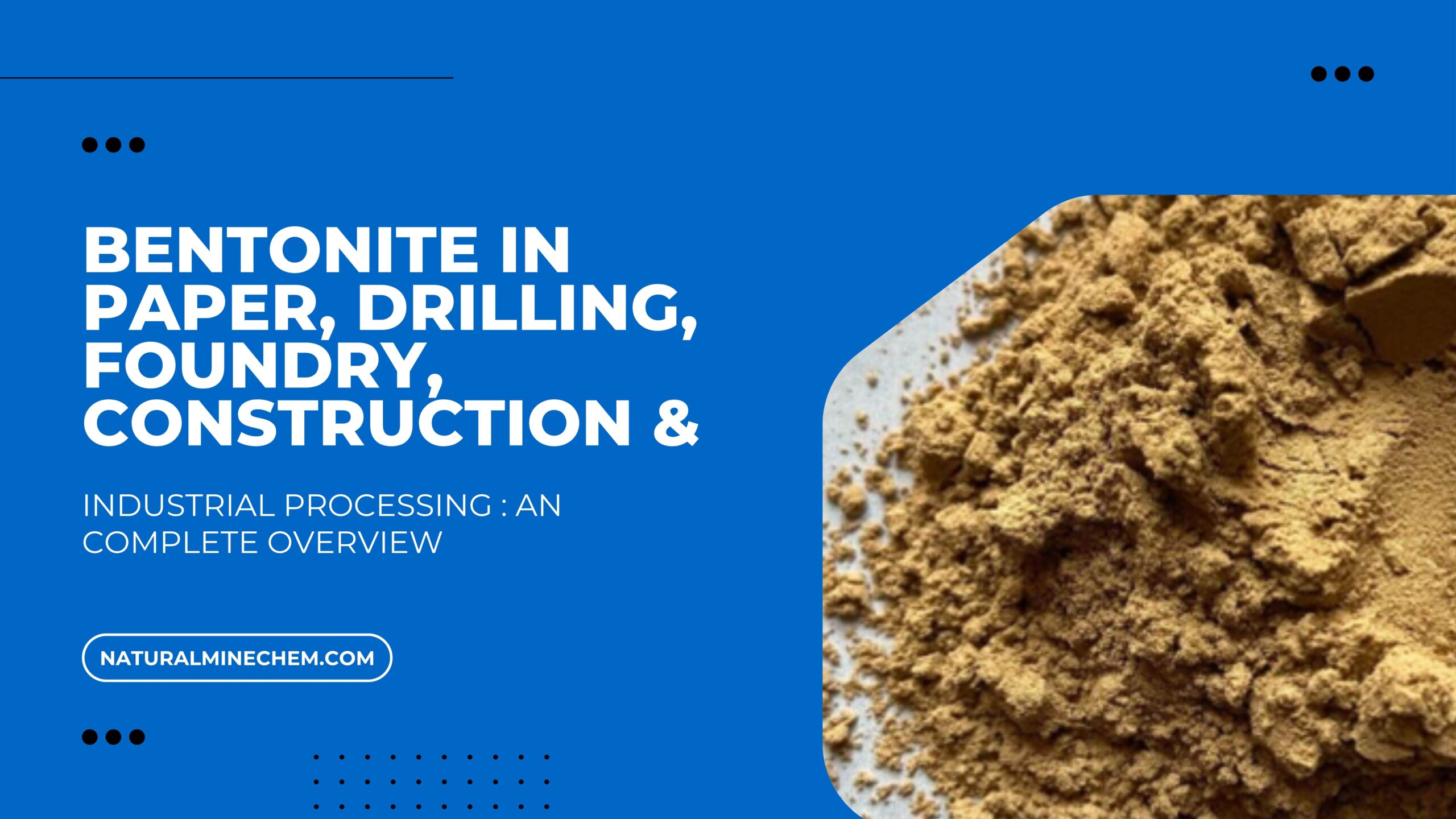
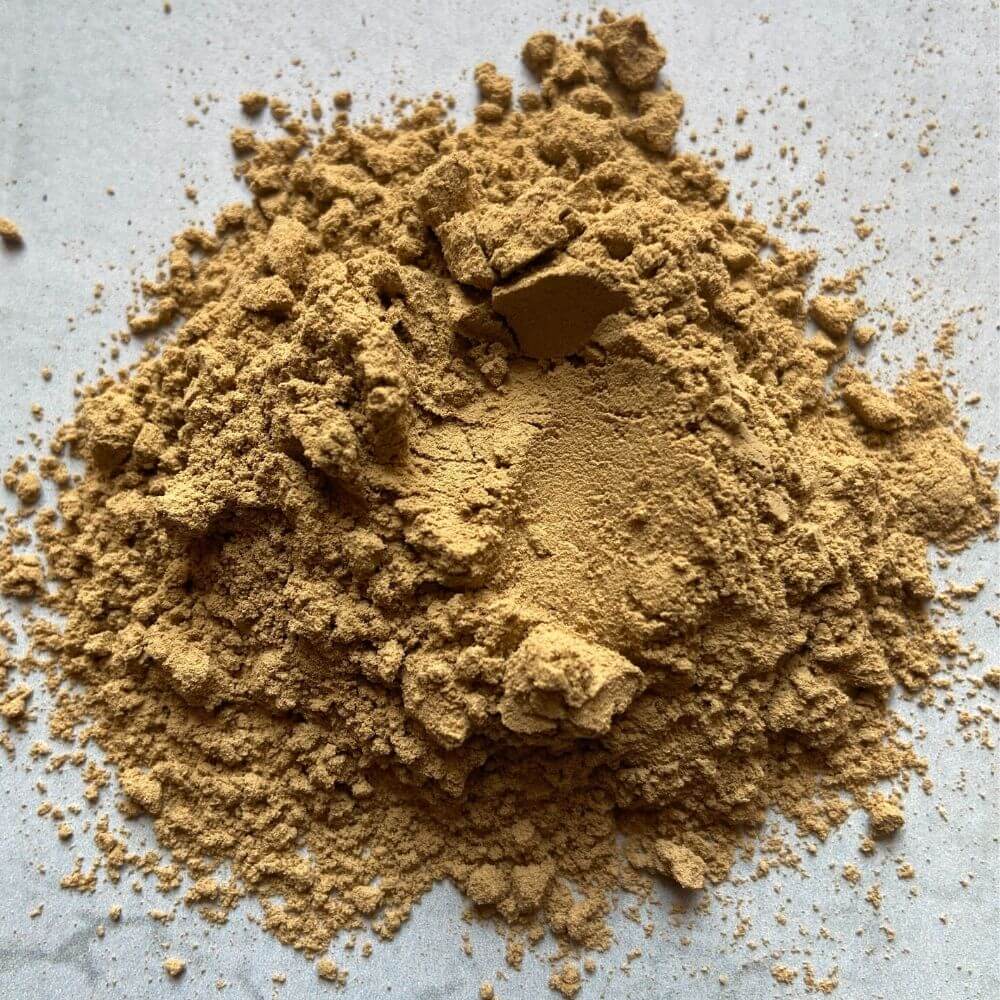
Bentonite is a highly versatile industrial mineral known for its unique ability to absorb water, swell, bind materials, control rheology, and create sealing barriers. It is used in a broad range of industries, including paper, drilling, foundry, civil engineering, environmental protection, absorbent products, and construction.
Its industrial value comes mainly from the presence of montmorillonite, a clay mineral that gives bentonite its swelling and adsorption characteristics. Depending on the dominant exchangeable cation, bentonite may be classified as sodium bentonite or calcium bentonite.
Understanding how bentonite works helps industrial users choose the right type and specification for their applications.
What Makes Bentonite Unique?
Bentonite offers several valuable functional properties:
- High water absorption
- Swelling ability
- Binding property
- Suspension behavior
- Thixotropy
- Sealing capacity
- Rheology modification
These characteristics make it useful in systems that need viscosity control, moisture interaction, retention support, or particle binding.
Types of Bentonite
Sodium Bentonite
Sodium bentonite has high swelling capacity and strong water absorption.
Common uses:
- Drilling fluids
- Sealing applications
- Civil engineering
- Pond and landfill liners
- Slurry systems
Calcium Bentonite
Calcium bentonite has lower swelling but still offers useful absorption and binding properties.
Common uses:
- Some industrial fillers
- Absorbent products
- Selected process applications
Activated Bentonite
Activated bentonite is processed for enhanced performance in particular end uses.
Bentonite in Paper Industry
In the paper industry, bentonite is often used as part of a retention and drainage aid system. It works together with polymers to improve wet-end efficiency.
Main benefits:
- Improves retention of fines and fillers
- Enhances drainage
- Supports machine runnability
- Improves paper formation
- Helps reduce material loss
- Improves wet-end process control
Because modern paper machines operate at high speed, better wet-end control becomes very valuable.
Bentonite in Drilling Fluids
Bentonite is one of the most important minerals in drilling mud systems.
Main functions:
- Builds viscosity
- Suspends drill cuttings
- Stabilizes borehole walls
- Controls filtration
- Cools and lubricates the drill bit
It is widely used in water well drilling, geotechnical drilling, piling, and horizontal directional drilling.
Good drilling bentonite should offer reliable yield and stable slurry behavior.
Bentonite in Foundry Applications
In foundry green sand systems, bentonite acts as a binder that helps bond the sand particles.
Benefits:
- Improves mold strength
- Enhances green compression strength
- Improves mold stability
- Supports casting accuracy
- Helps reduce defects
The quality of bentonite can directly affect casting consistency.
Bentonite in Civil Engineering and Construction
Bentonite is used in:
- Diaphragm walls
- Slurry trenching
- Waterproofing barriers
- Tunneling
- Sealing ponds
- Landfill liners
- Foundation systems
Why it is used:
Its swelling property helps create low-permeability barriers, which is important in containment and sealing applications.
Bentonite in Environmental Applications
Bentonite helps in:
- Waste containment systems
- Soil sealing
- Barrier layers
- Contaminant control systems
Its low permeability and adsorption characteristics make it highly useful where leakage prevention is important.
Important Bentonite Properties to Check
When selecting bentonite, buyers should evaluate:
- Swelling index
- Moisture
- Particle size
- Yield
- Viscosity
- pH
- Water absorption
- Montmorillonite content
- Retention behavior in paper applications
Problems Caused by Poor Bentonite Quality
Inconsistent bentonite can lead to:
- Unstable viscosity
- Low retention performance
- Poor mold strength
- Poor sealing
- High slurry variation
- Process inefficiency
This is why grade suitability and supplier reliability are critical.
Conclusion
Bentonite is one of the most multifunctional industrial minerals available. Its value comes from its ability to bind, absorb, swell, suspend, and seal. Across paper, drilling, foundry, construction, and environmental systems, the right bentonite grade can significantly improve operational performance.